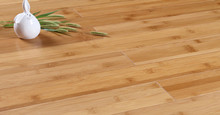
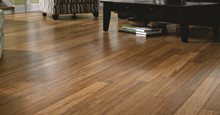
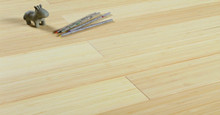
Across workshops and design studios, bamboo veneer has become a favorite material among cabinetmakers who want a balance of beauty, strength, efficiency, and sustainability. While traditional wood species such as oak, maple, cherry, and walnut continue to hold their place in cabinetry, bamboo veneer has earned steady enthusiasm for reasons that go beyond surface appearance. Cabinetmakers who work with bamboo often point to its consistency, stability, predictable grain patterns, and adaptability as major advantages that streamline fabrication and improve final results.
Bamboo veneer offers a combination of modern aesthetics and reliable performance, making it a compelling choice for custom woodworking projects. As preferences shift toward cleaner lines, natural textures, and environmentally conscious materials, bamboo veneer fits seamlessly into these trends while also providing practical benefits during machining and finishing. Its unique structure and manufacturing process create a veneer that behaves differently from conventional hardwood veneers, and many artisans find that difference works in their favor.
Below is a detailed look at why cabinetmakers increasingly prefer bamboo veneer and how it compares to traditional wood species in everyday use.
Bamboo’s Unique Structure Supports Consistency in Cabinetry
Cabinetmakers often emphasize the importance of predictability. Wood species vary widely, even within the same tree, and veneers sliced from hardwood logs may contain knots, mineral streaks, irregular grain, or inconsistent coloration. While these natural variations appeal to some designers, they can complicate projects requiring uniformity across large surfaces.
Bamboo veneer stands out because its composition is engineered from carefully selected strips of bamboo rather than cut directly from a log. This gives bamboo veneer several advantages:
Even coloration across sheets – Traditional woods can differ from sheet to sheet, making matching difficult. Bamboo maintains consistent tones throughout a batch.
Straight, linear grain – Bamboo’s natural fiber arrangement creates a clean, modern grain pattern that aligns well across surfaces.
Minimal imperfections – Because veneer manufacturers control the selection of bamboo strips, the final product contains far fewer natural flaws.
For cabinetmakers building large installations—such as full kitchen systems, wall panels, or commercial cabinetry—this consistency helps avoid wasted material and time spent matching veneers.
Stability and Dimensional Reliability
Movement caused by moisture changes is one of the biggest concerns when working with natural wood. Some species expand or contract significantly with seasonal humidity, creating challenges for cabinetmakers who must account for the material’s behavior.
Bamboo veneer is appreciated for its stability. While no natural material is completely immune to moisture, bamboo exhibits less dimensional movement than many hardwood species. This stability comes from the way the veneer is produced. Bamboo strips are laminated together under pressure before being sliced into sheets, creating a structure that responds to humidity more evenly.
Cabinetmakers benefit in several ways:
Reduced risk of warping – Panels stay flatter, even after machining or finishing.
Improved bonding – Adhesives used in veneering applications adhere reliably, reducing the chance of veneer bubbles or lifting.
Better performance in varied climates – Installations perform well in both dry and humid environments.
Stability is one of the most important characteristics for cabinetry, especially for doors, drawer fronts, and large vertical panels. Bamboo’s balanced structure helps maintain crisp lines and tight seams.
Machinability That Speeds Up Fabrication
Not all wood species behave the same when interacting with cutting tools. Hardwoods like maple can be dense and demanding on blades, while softwoods may splinter or compress during machining. Bamboo veneer offers a workable middle ground.
Cabinetmakers often comment on how cleanly bamboo veneers cut, rout, and sand. Its uniform density and predictable grain direction reduce tear?out, especially when working with fine edges or intricate patterns. This is particularly helpful for modern designs that rely on precise joinery, tight tolerances, and seamless panel construction.
The machinability advantages include:
Cleaner edge cuts – Reduced chipping compared to some hardwood veneers.
Less tool wear – Blades and bits stay sharper longer than when cutting denser woods.
Smooth sanding behavior – Bamboo seldom develops uneven patches or inconsistent scratch patterns.
Efficient trimming and veneer pressing – The material handles well during manual and automated trimming processes.
These characteristics make bamboo veneer appealing for high?volume cabinet shops as well as small custom studios.
Aesthetic Versatility for Modern and Traditional Designs
The appearance of bamboo veneer has evolved considerably over the years. Early versions were often limited to a light, natural tone and a simple vertical grain pattern. Modern bamboo veneers come in a wide range of styles, including:
Vertical grain – Shows the thin, uniform lines typical of bamboo.
Horizontal grain – Reveals a wider, softer grain pattern with the signature bamboo “nodes” for visual interest.
Strand woven veneer – Compressed bamboo fibers create a dense, varied texture with dramatic grain effects.
Carbonized tones – Heat?treated bamboo develops warm, medium?brown hues.
Dyed or stained veneers – Offer deeper browns, grays, and even darker espresso tones.
This variety makes bamboo veneer adaptable to almost any cabinet style. Designers seeking modern or minimalist aesthetics appreciate the straight grain and warm, neutral colors. Those looking for a rustic or natural appeal can choose strand woven patterns or carbonized finishes.
By offering a consistent yet distinctive look, bamboo veneer allows cabinetmakers to create designs that stand out without overwhelming a space.
Environmental Appeal Without Compromising Performance
Bamboo’s growth cycle is one of its most recognized advantages. While hardwoods may take decades to mature, bamboo reaches harvest maturity in roughly five to seven years. Its root system regenerates after cutting, allowing the plant to regrow without replanting.
Cabinetmakers who prioritize eco?friendly materials appreciate bamboo veneer for these reasons:
Fast renewability – Rapid growth supports more efficient material cycles.
Low waste production – Bamboo can be processed efficiently into strips, leaving minimal unusable material.
Sustainable harvesting systems – Well?managed bamboo forests remain productive year after year.
While sustainability appeals to many clients, cabinetmakers often emphasize that bamboo veneer delivers strong performance as well—its environmental story is a bonus, not the sole reason for choosing it.
Strength and Durability Beyond Expectations
Bamboo’s natural strength surprises many who assume it behaves like a lightweight softwood. Bamboo fibers have a high tensile strength, and products like strand woven bamboo are known for their impressive hardness. While veneer does not rely on surface hardness the way solid bamboo flooring does, the underlying structure still provides durability advantages.
Cabinetmakers appreciate that bamboo veneer:
Resists dents better than some softer hardwood veneers
Maintains its appearance under regular household use
Responds well to protective coatings and finishes
Supports long?lasting bond strength when laminated onto substrates
For cabinetry that sees daily handling—such as kitchen cabinets, bathroom vanities, or commercial furniture—these qualities help the finished product stay attractive for many years.
Cost Efficiency Without Sacrificing Style
Material cost is always a consideration in cabinetry projects. Bamboo veneer often provides a cost?effective alternative to high?priced hardwood veneers. While the exact pricing varies by manufacturer, bamboo generally remains competitive due to its fast growing cycle and efficient production.
Cabinetmakers often choose bamboo veneer because it:
Offers the appearance of premium wood without premium prices
Comes in sheet sizes that reduce waste during cutting
Provides consistent quality that lowers the risk of losing sheets to defects
This combination allows shops to deliver high?quality, stylish cabinetry at prices clients find attractive.
Compatibility With Modern Manufacturing Techniques
As cabinetmaking continues to integrate CNC routing, automated edge?banding, and advanced finishing technologies, materials must be compatible with these processes. Bamboo veneer adapts well to modern fabrication systems.
It works efficiently with:
CNC machinery – Precise cutting with minimal fraying
Laser edge?banding – Strong bonding and clean edges
High?pressure hot pressing – Improved veneer adhesion
UV?cured finishes – Good absorption without blotching
This compatibility helps shops maintain efficiency and consistency across large production runs.
Improved Availability and Product Variety
The growth of bamboo as a design material has encouraged manufacturers to expand their product lines. Cabinetmakers now have access to a broader selection of veneers in different thicknesses, backings, and grain patterns.
Common backing options include:
Paper?backed veneers – Flexible and suitable for curved surfaces
Wood?backed veneers – Provide extra strength and easy handling
Phenolic?backed veneers – Offer stability for demanding applications
This variety gives craftsmen more freedom to choose the veneer type that suits their particular workflow and project requirements.
Ease of Finishing and Customization
Finishing plays a significant role in the final appearance of cabinetry. Many hardwood veneers require careful sanding and conditioning to avoid blotching or uneven staining. Bamboo veneer tends to accept finishes evenly, allowing cabinetmakers to achieve consistent results with standard finishing products.
Finishing advantages include:
Smooth stain absorption without over?darkening
Compatibility with natural oils, lacquers, and water?based finishes
Ability to maintain natural color or deepen tones depending on finish choice
Resistance to blotchiness that sometimes affects species like pine or birch
This ease of finishing allows cabinetmakers to offer a range of looks—from natural and light to rich and warm—without extensive prep work.
Suitable for Both Residential and Commercial Applications
Cabinetmakers also appreciate the versatility of bamboo veneer across different environments. Because it pairs durability with modern aesthetics, it fits well in a variety of settings.
Common uses include:
Kitchen cabinetry
Bathroom vanities
Built?in wall units
Office and retail cabinetry
Hospitality furniture
Decorative wall panels
Custom furniture pieces
Its combination of strength and visual appeal enables it to transition smoothly from residential to commercial work, giving cabinetmakers flexibility in their project portfolios.
Meeting Modern Design Preferences
Contemporary design trends lean toward natural materials, clean lines, lighter color palettes, and a connection to outdoor textures. Bamboo naturally supports these styles:
Its straight grain contributes to clean, refined visual structure.
Carbonized versions offer warm hues for cozy interiors.
Strand woven patterns provide a textured, organic look.
Neutral tones blend well with modern finishes like matte black, stainless steel, and soft?touch laminates.
Cabinetmakers appreciate how easily bamboo veneer integrates with design trends without feeling overbearing or too distinctive for long?term use.
Final Thoughts
Cabinetmakers prefer bamboo veneer for a combination of reasons: consistent grain, reliable stability, excellent machinability, attractive appearance, and strong environmental credentials. These qualities allow them to work efficiently while delivering cabinetry that is both durable and visually appealing. Whether used in modern kitchens, custom furniture, or commercial interiors, bamboo veneer offers a versatile material choice that aligns well with the demands of contemporary woodworking.