Posted on 2026-5-9 14:41:01
Building cabinets with bamboo plywood offers a unique set of rewards and structural challenges. As a material, bamboo brings an undeniable aesthetic appeal, incredible hardness, and a compelling sustainability narrative to custom furniture and cabinetry. However, the exact manufacturing processes that give bamboo its strength and visual character also impart a characteristic that catches many woodworkers and cabinet makers off guard: extreme density. When you transition from working with standard hardwood veneer core plywood to solid bamboo panels, you are moving into a completely different weight class.
The most pressing issue this weight creates is found in the moving parts of the cabinetry. Designing, building, and hanging cabinet doors using bamboo plywood requires a strategic approach to hardware, structural support, and overall cabinet design. Failing to account for the sheer mass of a solid bamboo door will inevitably lead to sagging hinges, stripped screws, out-of-square cabinet boxes, and frustrated clients. Navigating this challenge requires a deep understanding of the material, precise hardware selection, and a few modifications to standard cabinet-making techniques.
The Material Science of Bamboo Plywood Density
To understand the weight of a bamboo cabinet door, you have to look at how the material is manufactured. Bamboo is, botanically speaking, a grass. It does not yield wide, solid boards like an oak or maple tree. Instead, the hollow stalks are harvested, sliced into thin strips, boiled to remove sugars, dried, and then glued together under immense pressure.
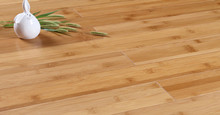
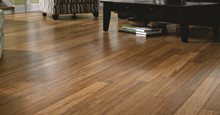
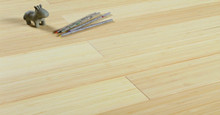
Depending on the orientation of these strips, you get different styles of bamboo plywood. Vertical grain panels feature strips pressed together on their narrow edges, while horizontal grain panels show the wider faces of the strips, complete with the characteristic "knuckles" or nodes of the bamboo stalk. Both of these styles are significantly heavier than standard birch or maple plywood because the manufacturing process eliminates voids and relies heavily on dense resins to bind the strips together.
The real heavyweight, however, is strand-woven bamboo. In this process, the bamboo fibers are crushed, mixed with resin, and compressed into blocks under extreme heat and pressure before being sliced into panels. Strand-woven bamboo is incredibly hard—often surpassing tropical hardwoods on the Janka hardness scale—but it is also exceedingly heavy. A standard 4x8 foot sheet of 3/4-inch strand-woven bamboo plywood can weigh upward of 100 pounds. When you cut a sizable pantry door from this material, you are creating a lever that will exert massive continuous force on your cabinet box and hinges.
The Physics of Heavy Cabinet Doors
A cabinet door essentially acts as a lever arm attached to a fulcrum (the hinge). The wider and heavier the door, the more torque it applies to the hinge plates and the screws holding them in place.
When you hang a traditional 3/4-inch alder or maple plywood door, standard European concealed hinges easily handle the static load and the dynamic stress of opening and closing. The screws bite into the cabinet carcass, and the system remains stable for decades.
Substitute that same door with bamboo, and the physics shift dramatically. Gravity constantly pulls down on the unhinged side of the door. This downward pull translates into a pulling force on the top hinge (tension) and a pushing force on the bottom hinge (compression). Over time, if the hardware or the cabinet box is not rated for this increased stress, the top hinge screws will begin to pull out of the wood, causing the door to sag, bind against adjacent doors, or scrape along the bottom frame. Furthermore, the sheer momentum of a heavy bamboo door swinging shut creates a violent impact if not properly dampened, stressing the joinery of the entire cabinet structure.
Selecting the Right Hardware for the Job
Mitigating the risks associated with heavy bamboo doors begins with hardware selection. Standard cabinet hinges are simply not engineered to handle the load of oversized or strand-woven bamboo panels.
Assessing Hinge Load Capacities
Before purchasing hinges, you must calculate the exact weight of your finished doors. Weigh a scrap piece of your specific bamboo plywood to find its weight per square foot, then multiply that by the square footage of your door.
Once you have the weight, consult the technical specification sheets provided by reputable hardware manufacturers. High-quality European concealed hinges typically feature a weight chart that correlates door weight and door width to the required number of hinges. For heavy materials, you will almost always need to increase the hinge count. A door that might only require two hinges in standard plywood will often require three or even four hinges when made from bamboo.
Upgrading to Heavy-Duty Hinges
Rather than just adding more standard hinges, consider upgrading to hinges specifically engineered for thick, heavy doors. These specialized hinges feature robust pivot mechanisms, thicker metal components, and specialized mounting plates. Look for hinges with a wider opening angle, as the geometry of a heavy door often requires more clearance to prevent binding on the hinge side.
Soft-close mechanisms are an absolute necessity when working with heavy doors. The momentum of a heavy bamboo door slamming shut can jar the cabinet carcass, loosen screws over time, and create a jarring acoustic experience in the kitchen or bathroom. Premium heavy-duty hinges with integrated, adjustable soft-close dampeners will catch the door and pull it shut gently, absorbing the kinetic energy and protecting your joinery.
Rethinking Fasteners and Anchors
The hinges are only as strong as the screws holding them to the cabinet. Bamboo is incredibly hard, which means it holds threads exceptionally well, but it is also highly prone to splitting if forced.
Never skip pre-drilling: When attaching hinge cups to the bamboo door, use a precision brad-point bit or a specialized hinge-boring bit to drill the pilot holes. Ensure the pilot hole is the exact recommended diameter for your screws.
Opt for specialized screws: Standard tapered wood screws act like tiny wedges and can split the dense bamboo fibers. Use straight-shank screws or specialized hinge screws designed for hard materials.
Threaded inserts for maximum strength: If you are hanging a particularly large or heavy door, such as a full-length utility cabinet door, consider using metal threaded inserts. By drilling a larger hole and driving a threaded brass or steel insert into the bamboo, you can attach the hinges using machine screws. This creates a mechanical bond that is virtually impossible to pull out, completely neutralizing the risk of screw tear-out.
Reinforcing the Cabinet Carcass
A heavy door requires a rock-solid foundation. Hanging a heavy bamboo door on a cabinet box made of 1/2-inch particleboard or cheap plywood is a recipe for structural failure. The weight of the door will eventually rack the cabinet out of square, causing the doors to misalign permanently.
When building cabinets destined for heavy bamboo doors, upgrade your carcass material. Use high-quality 3/4-inch veneer core plywood for the sides, top, and bottom of the box. The joints must be rigorously engineered. Avoid simple butt joints and pocket screws as the primary structural connection. Instead, utilize blind dados, domino tenons, or heavy-duty dowel construction, generously applied with high-quality wood glue.
The back panel of the cabinet also plays a critical role in resisting shear forces and preventing the box from racking. Rather than floating a thin 1/4-inch back panel in a groove, consider using a 1/2-inch or 3/4-inch back panel glued and fastened directly into a rabbet on the back of the cabinet. This creates an incredibly rigid box that will not twist or distort under the torsional load of a heavy swinging door.
Furthermore, how the cabinet is anchored to the wall becomes critical. The screws securing the cabinet to the wall studs must be heavy-duty structural screws, not drywall screws. If a heavy door swings open, the shifted center of gravity can actually pull a poorly anchored upper cabinet off the wall.
Design Strategies to Minimize Weight
If the calculated weight of your bamboo doors exceeds the physical limits of your hardware, or if you simply want to build a more ergonomic cabinet system, you must adjust the design to mitigate the weight while preserving the bamboo aesthetic.
Thinner Core Materials
Who says a cabinet door has to be 3/4-inch thick solid material? Many bamboo plywood manufacturers offer 1/2-inch or even 1/4-inch panels. You can build a traditional five-piece Shaker-style door using 3/4-inch solid bamboo for the stiles and rails, and insert a 1/4-inch bamboo plywood panel in the center. This dramatically reduces the overall weight of the door while maintaining a solid, premium feel and the desired bamboo look.
For modern, flat-panel slab doors, you can use 1/2-inch bamboo plywood instead of 3/4-inch. While 1/2-inch material requires careful handling to prevent warping, using edge-banding on all four sides and applying a balanced finish to both the front and back faces can keep the thinner panel dimensionally stable.
Splitting the Load
Large single doors are the enemy of longevity in bamboo cabinetry. If a design calls for a 24-inch wide door, the leverage exerted on the hinges is severe. By splitting that opening into two 12-inch wide double doors, you cut the weight on each set of hinges in half and drastically reduce the leverage factor.
Similarly, for tall pantry cabinets, avoid using a single full-length door. Break the vertical space into an upper and lower door. This not only makes the doors lighter and easier to manage but also prevents the severe bowing and warping that frequently plagues excessively tall, dense panels.
Strategic Hollow Core Construction
For thick, floating shelves or exceptionally thick custom doors, advanced cabinet makers often employ torsion box construction. While technically challenging with bamboo, you can resaw or purchase thin bamboo veneers (1/8-inch or 1/4-inch) and press them onto a lightweight core made of MDF lattice or specialized lightweight foam cores. The edges are then wrapped in solid bamboo edge banding. The result is a door that looks identical to a solid slab of heavy bamboo but weighs a fraction of the amount. This technique requires a vacuum press and specialized veneering skills, but it is a highly effective way to conquer the weight issue for premium custom projects.
Machining and Finishing Considerations
The extreme density that causes weight issues also affects how you machine and finish the doors. Bamboo is notoriously tough on cutting tools. The high resin content and abrasive silica in the bamboo fibers will dull standard steel blades almost immediately.
When cutting heavy bamboo doors to size, you must use high-quality, sharp carbide-tipped or diamond-tipped saw blades. A dull blade will generate excessive friction, burning the resins in the plywood and leaving an ugly, scorched edge that is incredibly difficult to sand out. Furthermore, because you are dealing with heavy panels, feeding them through a table saw smoothly requires outfeed support and ideally a second pair of hands to prevent the material from shifting mid-cut.
Once the heavy doors are cut, drilled, and sanded, the finishing process plays an indirect but vital role in managing their weight. Wood and bamboo are hygroscopic; they absorb and release moisture from the surrounding air. If a dense, heavy door absorbs moisture unevenly, it will warp. A warped heavy door puts uneven, lateral stress on hinge mechanisms, causing them to fail prematurely.
To prevent this, bamboo doors must be sealed comprehensively. Apply your chosen finish—whether it is a hard wax oil, a conversion varnish, or a water-based polyurethane—equally to all six sides of the door. The back face and the edges must receive the exact same number of coats as the front face. This creates a balanced moisture vapor barrier, keeping the heavy panel flat, true, and cooperative with its hardware.
Installation Logistics and Final Adjustments
The final hurdle in dealing with heavy bamboo cabinet doors is the installation phase. Holding a 40-pound door in mid-air with one hand while trying to thread a hinge screw with the other is a dangerous and frustrating endeavor.
Preparation is vital. Install the hinge mounting plates onto the cabinet carcass while the boxes are still on the workbench, or at least before installing the neighboring doors. Utilize installation jigs and cabinet jacks to support the weight of the doors during installation. Many modern European hinges feature a clip-on design, allowing you to rest the door on a supporting block and simply push the hinge cup into the mounting plate until it clicks, keeping your hands free and preventing accidental damage to the cabinetry.
Once installed, heavy doors will inevitably settle. Even the most robust cabinet box and hardware will flex slightly under the initial load of a dense bamboo slab. Allow the cabinets to sit with the doors fully installed for a few days before making your final gap and reveal adjustments. You will likely find that you need to use the hinge adjustment screws to bring the doors back into perfect alignment after the system has borne the weight for a short period. Regular maintenance checks every few years to tighten screws and tweak hinge alignments will ensure that the heavy doors continue to operate flawlessly.