Posted on 2026-3-9 19:56:16
Choosing the right material for an outdoor deck can shape how you use the space, how long it lasts, and how much maintenance it will demand over the years. Many homeowners and designers are turning toward options that balance strength, comfort, appearance, and environmental responsibility. Among all available materials—hardwood, composites, softwood, and PVC—bamboo decking has steadily gained attention for good reason. Its structure, performance, and long?term advantages make it a strong candidate for patios, pool surrounds, balconies, and garden walkways.
Below are ten reasons bamboo decking stands out, along with context that helps explain why professionals often recommend it for long?term outdoor use.
1. Excellent Durability for Heavy Outdoor Use
Most people are surprised to learn how tough engineered bamboo can be. While raw bamboo is lightweight and flexible, once it’s processed into outdoor decking through heat treatment and compression, its density increases significantly. This enhanced structure gives it impressive resistance to wear, foot traffic, and surface pressure.
High?quality bamboo decking is typically rated for outdoor applications comparable to dense tropical hardwoods. It isn’t prone to denting easily, and properly installed boards maintain their rigidity season after season. For families with active outdoor lifestyles—or spaces that host frequent gatherings—this durability can remove concerns about constant upkeep or premature replacement.
2. Natural Resistance to Moisture and Weather
Outdoor decks constantly face changing weather conditions, whether it’s strong sunlight, sudden temperature swings, humidity, rain, or dry seasons. Bamboo undergoes a specialized thermal modification process that helps stabilize the fibers and reduce moisture absorption. As a result, outdoor?grade bamboo decking has reduced swelling, shrinking, or warping compared with many traditional wood options.
Its ability to cope with moisture makes bamboo especially suitable for pool surrounds, lakeside decks, and humid climates. With scheduled maintenance—usually cleaning and re?oiling—bamboo boards retain their shape and structure reliably across varying environments.
3. Sustainable and Environmentally Responsible
Bamboo grows rapidly—much faster than hardwood trees. While species like oak, ipe, or teak can take decades to mature, bamboo can be harvested in roughly five to seven years. After harvesting, the root system remains in place and continues producing new stems, helping prevent soil erosion while ensuring an ongoing supply of raw material.
Because bamboo requires fewer agricultural inputs than many plantation hardwoods, and because it produces high biomass in a short period, it’s often viewed as an environmentally responsible building material. This matters to anyone seeking outdoor upgrades that don’t involve heavy ecological cost or slow?renewing forest resources.
4. Attractive Appearance That Complements Many Styles
Good deck design should blend with the overall character of the home and outdoor area. Bamboo has a clean, refined appearance that works well with a wide range of styles—modern, rustic, minimalist, traditional, or coastal. Its natural grain pattern tends to be uniform and warm, making it easy to pair with outdoor furniture, landscaping, and architectural features.
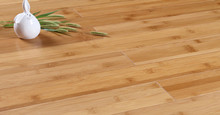
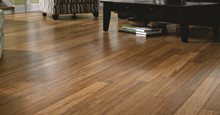
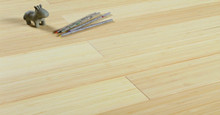
Depending on the manufacturer, bamboo decking is available in colors ranging from caramel tones to deeper browns, created through carbonization or heat treatment rather than surface pigments. This gives a natural and consistent look that feels organic rather than artificial.
Over time, like many natural materials, bamboo will gradually lighten if left untreated in full sun. Some homeowners appreciate the softer, weathered look, while others prefer to refresh the finish with outdoor oil. The flexibility here is appealing: you can decide how aged or polished you want your deck to appear.
5. Comfortable Underfoot
Anyone who has walked across a bare PVC or composite deck in mid?summer knows that some synthetic options can get extremely hot under direct sunlight. Bamboo tends to remain more comfortable to the touch because it doesn’t trap heat in the same way. Its natural thermal properties provide a more pleasant walking surface during warm seasons.
Furthermore, bamboo’s density and structure reduce surface splintering when boards are manufactured with outdoor use in mind, contributing to a safer, smoother experience for children, pets, and barefoot use around pools.
6. Low Maintenance Compared with Many Hardwood Options
Owning a deck shouldn’t mean dedicating large portions of your year to sanding, staining, or heavy repairs. Bamboo decking generally requires simple maintenance—routine cleaning and an occasional coat of exterior oil to maintain its color and protect the surface.
Its stability means fewer issues such as cupping, deep cracks, or excessive movement, all of which may occur more frequently in certain hardwoods exposed to harsh climates. Because of this, owners often find that caring for bamboo boards is more predictable and less labor?intensive than maintaining traditional wood decking.
7. Strong Resistance to Pests
Natural timber can attract insects, especially in warm or humid regions. Termites and certain beetles can cause long?term structural damage that’s expensive to address. Bamboo used for decking undergoes treatment processes that make it less appealing to pests. The thermal modification reduces sugars and starches in the fibers—key food sources for insects—resulting in a surface that pests generally avoid.
Less pest activity means fewer chemical treatments are needed and fewer structural issues develop over time, which contributes to both sustainability and long?term reliability.
8. Stable and Reliable Across Temperature Changes
Outdoor materials expand and contract as temperatures rise and fall. Excessive movement can weaken fasteners, create uneven surfaces, or cause boards to warp. Bamboo’s engineered structure gives it improved dimensional stability, helping limit significant seasonal swelling or shrinking.
For regions with temperature swings—from hot summers to cooler winters—bamboo can offer reassurance that the deck will remain flat and secure. This stability also helps the finish last longer, as fewer micro?cracks develop from the board’s internal movement.
9. Long?Term Value for Homeowners
A deck is a long?term investment, and bamboo’s combination of durability, sustainability, and low maintenance gives it excellent cost?to?benefit performance over time. While initial pricing may be similar to some hardwoods or composites, bamboo often delivers savings in reduced maintenance demands, fewer replacements, and better structural longevity.
Buyers increasingly recognize sustainable construction materials as desirable features. Installing bamboo decking can add appeal and practical value to a home without relying on exotic hardwoods or costly synthetic systems.
10. Versatile for Many Outdoor Layouts
Whether you’re creating a small balcony retreat, a wide entertainment terrace, a walkway through a garden, or a poolside platform, bamboo adapts well to various designs. Boards can be installed with hidden fasteners or traditional screws, depending on the desired look. Many manufacturers also offer matching fascia boards, stair components, and trim pieces, allowing for a unified, polished finish.
Because bamboo decking is typically uniform in length and shape, installation is straightforward for professionals and experienced DIY enthusiasts alike. This helps reduce labor time and ensures a clean, cohesive appearance once the project is complete.
Additional Considerations That Enhance Bamboo’s Appeal