Bamboo has long been recognized for its strength and beauty, yet many DIY enthusiasts are just beginning to explore how practical bamboo lumber can be for home projects. From sleek shelving to custom furniture builds, bamboo brings a combination of durability, affordability, and workability that makes it an appealing choice for makers of all skill levels. Its distinctive grain, impressive density, and eco?friendly profile help it stand apart from softwoods and hardwoods alike. As more retailers expand their offerings, bamboo lumber has become a reliable material for builders seeking something sturdy, attractive, and responsibly produced.
Bamboo is technically a grass, but its structural characteristics rival those of many hardwood species. Through a controlled manufacturing process, raw bamboo stalks are split, boiled, dried, and laminated into dense, stable boards. These boards behave much like wood but offer unique advantages that can improve a wide variety of DIY projects. Whether the goal is to craft a functional storage solution or design a decorative accent piece, bamboo lumber has the versatility to support both practical and creative ideas.
Strength That Surprises Many DIY Builders
One of the first things people notice when working with bamboo lumber is how strong it feels. Its density gives it substantial weight and a solid, dependable feel. When bamboo fibers are laminated during production, they form a tight, uniform structure that resists warping, cracking, and shrinking.
For DIY builders, strength plays a crucial role in determining how well a project holds up over time. Bamboo’s structural integrity allows it to support significant weight, making it suitable for shelves, workbenches, stools, chairs, and storage units. Even narrow planks maintain excellent rigidity, making them ideal for tasks requiring clean lines and slender profiles.
Because bamboo is so dense, it holds screws and fasteners firmly. This is particularly important for pieces that rely on mechanical joints, such as bookcases or cabinet-style furniture. The secure grip helps prevent loosening as items are used day after day.
Workability That Appeals to Hobbyists
Despite its strength, bamboo lumber remains surprisingly easy to work with. Many woodworkers compare its machining qualities to maple or oak, though some notice it cuts even more cleanly. Bamboo’s uniform density minimizes splintering, allowing for crisp edges and smooth surfaces.
DIY builders often highlight several practical benefits:
It sands evenly without creating deep scratches.
It takes finishes consistently thanks to its tight grain.
It can be cut with standard woodworking tools without requiring special blades.
It responds well to adhesives and joinery techniques commonly used with hardwood.
These qualities support a wide range of skills, from first?time builders to experienced craftspeople. Even projects that require precision—like dovetail joints or angled cuts—can be executed confidently with bamboo lumber.
Affordability Without Compromise
Cost plays an important role in material selection, especially for DIY builders working on a budget. Bamboo lumber offers a compelling balance between affordability and durability. Because bamboo grows rapidly and regenerates from its root system, supply is plentiful, helping keep prices stable. In many regions, bamboo lumber competes favorably with mid?range hardwoods while offering better long?term performance.
Its consistent quality also means less waste. Boards are typically free of large knots or unpredictable grain patterns that can complicate cutting. The reduced likelihood of warping or bowing lowers the risk of material loss. These savings mean that builders can often complete projects more efficiently and with fewer surprises.
A Natural Look That Enhances Any Project
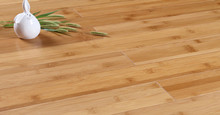
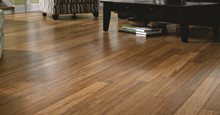
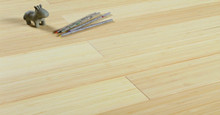
Beyond strength and cost, bamboo lumber has a distinct appearance that appeals to many DIY makers. Its light, warm color brings a clean, contemporary feel to finished pieces. The grain can vary depending on how the strips are oriented during manufacturing.
Common styles include:
Vertical?grain boards featuring long, fine lines suitable for minimalist designs.
Horizontal?grain boards showcasing wider patterns for a relaxed, natural look.
Strand?woven lumber delivering a bold, textured pattern created by compressing shredded bamboo fibers.
The visual versatility allows bamboo to fit into nearly any project. From rustic to modern design themes, bamboo’s light tones and subtle grain patterns complement a wide range of decorative styles.
Projects That Highlight Bamboo’s Versatility
Bamboo lumber can be used in countless ways, making it a go?to material for DIY builders seeking flexibility. Its strength, stability, and appealing appearance contribute to a wide range of successful projects.
Custom Shelving
Floating shelves, bookcases, and display ledges benefit from bamboo’s weight?bearing capacity. Its rigidity helps prevent shelves from sagging under heavy loads like books, dishes, or electronics. While many woods require thick stock to support weight, bamboo often allows builders to use thinner boards without compromising performance.
Small Furniture Pieces
Bamboo is ideal for benches, stools, and side tables. The boards can be laminated into thicker slabs for tabletops or used individually for legs and supports. Thanks to its density, bamboo provides a stable base that keeps furniture steady even with frequent use.
Kitchen and Workshop Accessories
Cutting boards, tool organizers, knife blocks, and serving trays made from bamboo can withstand moisture and regular handling. Bamboo’s smooth surface and durability make it an appealing choice for household items that see daily use.
Decorative Panels and Wall Accents
Bamboo panels add warmth and visual texture to wall installations. For DIY?friendly home updates, bamboo lumber can be cut into slats, geometric patterns, or edge?banded panels. Its consistent grain ensures a clean, professional finish.
Outdoor Use in Covered Spaces
While bamboo performs best indoors or in protected outdoor areas, it can be used for patio furniture, planters, and accent pieces when properly sealed. Bamboo’s density helps it resist wear, though long?term sun and rain exposure require high?quality finishes.
Responsible Material Choice
One of the appealing aspects of bamboo lumber is its environmentally friendly profile. Bamboo’s fast growth rate allows producers to harvest more frequently, reducing strain on forests associated with traditional hardwood production. Because bamboo regenerates naturally, growers do not need to replant after each harvest. The root system remains intact, helping prevent soil erosion and improve long?term land health.
Many suppliers adhere to certification programs that confirm responsible management practices. For builders who prefer to choose renewable materials, bamboo often serves as a practical alternative to imported hardwoods with slower regeneration cycles.
Additionally, bamboo processing typically requires fewer chemical additives during growth. While conversion into lumber involves adhesives, reputable manufacturers use low?VOC glues designed to support indoor air quality. As a result, bamboo lumber often aligns well with sustainable building preferences while maintaining the performance required for long?lasting DIY projects.
Finishing Bamboo for a Professional Look
A thoughtful finish can highlight bamboo’s natural beauty and extend the lifespan of any DIY build. Bamboo accepts a variety of finishes, including oils, varnishes, lacquers, and water?based polyurethane. Clear finishes are especially popular because they enhance the grain and add a soft sheen.
For projects requiring a specific color tone, bamboo can be stained. Because the grain is tight, stain should be applied carefully to achieve even absorption. Some builders prefer gel stains for this reason, as they sit more on the surface and provide consistent coverage.
Regardless of the finish type, sanding between coats helps achieve a smooth, durable surface. Given bamboo’s density, using fine?grit sandpaper produces a clean, polished feel without dulling its natural texture.
Considerations When Working With Bamboo Lumber
While bamboo offers many advantages, thoughtful planning helps ensure project success. DIY builders should keep the following points in mind:
Bamboo is dense, so sharp blades create the cleanest cuts.
Pre?drilling is helpful for preventing splitting when placing screws near edges.
Because bamboo is heavy, supporting long boards during cutting improves safety and accuracy.
High?quality adhesives bond strongly with bamboo, especially in joinery that relies on glue rather than mechanical fasteners.
Most of these considerations resemble those used when working with hardwood, making bamboo an intuitive material even for beginners.
Why DIY Builders Keep Turning to Bamboo Lumber
As more DIY enthusiasts explore bamboo lumber, it has earned a reputation as a reliable, attractive, and practical material. Its strength supports everything from small décor projects to full furniture builds. Its affordability makes it accessible for hobbyists experimenting with new ideas. Its visual appeal suits both modern and classic designs, while its renewable nature allows builders to feel confident about selecting a responsible material.
The versatility of bamboo gives makers the freedom to approach projects creatively, knowing the material will perform consistently. Whether crafting a statement piece for a living room, building a functional storage solution, or simply trying something new, bamboo lumber continues to broaden the possibilities for DIY projects. Its balance of performance, beauty, and sustainability keeps it firmly positioned as a favorite among builders who value materials that work hard and look exceptional in the process.