As sustainability and indoor air quality gain importance in modern architecture and design, the materials used in construction are scrutinized not just for strength and visual appeal, but for what lies beneath the surface. In the case of bamboo plywood panels—celebrated for their renewable nature and sleek aesthetic—the type of glue used during manufacturing can make a profound difference. While bamboo itself is a rapidly renewable material, the adhesives that bond its fibers together can introduce volatile compounds that affect both the environment and human health. That’s why NAUF (No Added Urea Formaldehyde) glue has become an essential criterion for quality-conscious designers, builders, and consumers.
Understanding Bamboo Plywood and Its Uses
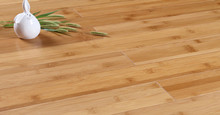
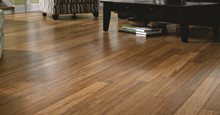
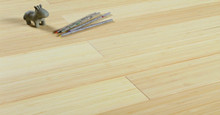
Bamboo plywood, often produced as laminated sheets of pressed bamboo strips, has become a favorite among architects, furniture makers, and interior designers. Its dense grain, impressive stability, and resistance to warping make it suitable for cabinets, countertops, wall panels, and flooring. Beyond its durability, bamboo offers natural visual warmth—its fine vertical lines and honey-colored tones easily blend with both minimalist and natural interiors.
However, what many users do not realize is that the performance and safety of bamboo plywood are tied closely to the adhesives used in the lamination process. While the visible surface captures most of the attention, the chemical composition of the glue determines whether the material upholds environmental values or contradicts them.
The Hidden Role of Glue in Engineered Panels
Manufacturing bamboo plywood involves slicing mature bamboo stalks into strips, removing the outer skin, and drying them to reduce moisture content. These strips are then glued together under pressure and heat to create solid sheets. The glue functions as both a binder and a structural reinforcer, giving the finished panels their cohesive strength.
Traditional adhesives often rely on urea-formaldehyde resin, known for its strong bonding properties and affordability. While effective, this type of glue can off-gas formaldehyde—a volatile organic compound (VOC) that has been linked to various health concerns. Over time, emissions from panels made with conventional adhesives can contribute to poor indoor air quality, an issue particularly significant in enclosed environments like homes, offices, and schools.
This realization has driven the shift toward cleaner alternatives, most notably NAUF adhesives, which are designed to minimize chemical emissions without sacrificing performance.
What NAUF Glue Means
NAUF stands for No Added Urea Formaldehyde, indicating that during manufacturing, no urea-formaldehyde resin is used in the adhesive formulation. It’s important to note that “no added” doesn’t always mean “formaldehyde-free”—trace amounts can still be present naturally in some raw materials—but it does signify that no additional formaldehyde-based binder was intentionally included in the process.
The main purpose of NAUF technology is to reduce airborne formaldehyde emissions from finished products. This distinction is vital because formaldehyde, classified as a potential carcinogen, can cause irritation of the eyes, nose, and respiratory system even at low concentrations. NAUF adhesives ensure that bamboo panels contribute to cleaner, healthier interior spaces, aligning with standards like CARB Phase 2 (California Air Resources Board) and LEED certification requirements for green buildings.
By selecting bamboo plywood with NAUF glue, architects and builders consciously reduce exposure risks while advancing construction practices that prioritize long-term human well-being.
Health and Environmental Implications of Traditional Glues
To appreciate why NAUF adhesives matter, it helps to understand the implications of conventional ones. Traditional urea-formaldehyde glue, while strong, breaks down over time when exposed to humidity or heat. As the chemical bonds degrade, formaldehyde molecules are released into the surrounding air. Although emissions may decrease after a few years, they never fully disappear—meaning every panel continues to contribute minor pollutants to an indoor environment throughout its lifespan.
Formaldehyde emissions not only affect users but also factory workers exposed during the manufacturing process. Elevated exposure levels can lead to chronic irritation and long-term respiratory problems. Environmental contamination also results from production waste and off-gassing during cutting and installation.
Switching to NAUF formulations significantly reduces these concerns. Many NAUF adhesives are based on alternatives like soy-based resin, phenol-formaldehyde with ultra-low emissions, or urethanized binders, which remain stable even under high humidity. These chemical substitutes provide similar bonding power without releasing harmful gases, making them preferable both ethically and technically.
Indoor Air Quality and Certification Standards
Indoor air quality (IAQ) has become a key focus in building design globally. With people spending most of their time indoors, the materials that shape these environments play a major role in overall health. Bamboo plywood panels bonded with NAUF glue align well with international sustainability programs such as:
LEED (Leadership in Energy and Environmental Design) – Awards points for materials with low or no VOC emissions.
CARB (California Air Resources Board) – Establishes strict emission limits for composite wood products.
EPA TSCA Title VI – Follows CARB’s framework on formaldehyde restrictions nationwide in the United States.
GREENGUARD Certification – Recognizes indoor materials that meet low chemical emission criteria.
Projects aiming for these certifications increasingly require documentation proving that adhesives and sealants comply with established low-emission benchmarks. Bamboo panels bonded with NAUF glue help achieve these standards while contributing to safer, high-performance environments.
Durability and Performance of NAUF-Bonded Bamboo Panels
A common misconception is that eco-friendly adhesives might compromise strength or longevity. In practice, modern NAUF glues perform comparably to traditional resins. Advanced formulations exhibit excellent bonding strength, thermal resistance, and moisture tolerance—critical qualities for plywood used in humid conditions or under mechanical stress.
Manufacturers have refined adhesive technologies to produce panels that resist delamination, cracking, and expansion. Whether used for cabinetry, retail fixtures, or wall cladding, NAUF bamboo panels maintain their integrity over years of use. This reliability has helped dispel early skepticism about environmentally responsible alternatives.
Moreover, maintenance remains straightforward. Surface finishes such as oils or water-based varnishes further protect the bamboo without interacting negatively with the glue layers beneath. This combination of careful finishing and non-toxic bonding gives designers a broader creative range while maintaining confidence in product safety.
Aligning Aesthetic and Ethical Choices
Beyond their chemical safety, NAUF bamboo panels represent a broader design philosophy: that good design harmonizes beauty and environmental responsibility. Bamboo’s natural linear patterns convey calm and balance, while the non-toxic glue hidden beneath underscores a commitment to thoughtful material sourcing.
Architects, furniture designers, and builders often highlight these choices when communicating project values to clients. For instance, using NAUF-certified panels in a home or office signals a dedication to quality not just at the visible level but within the construction itself. This integrity resonates with clients who want assurance that their living or working environments support wellness and sustainability rather than detract from it.
Even small projects—like handcrafted desks, shelving, or cabinetry—benefit from the use of low-emission materials. At a time when environmental impact influences nearly every purchasing decision, using bamboo bonded with NAUF glue aligns craftsmanship with conscience.
Global Adoption and Industry Trends
Across industries, the demand for NAUF materials continues to grow. Manufacturers are refining production methods to meet stringent environmental certifications while maintaining affordability and availability. Bamboo panel suppliers, in particular, now emphasize sustainability credentials as a key selling point.
Some producers invest in closed-loop manufacturing systems that recycle adhesive waste and minimize water consumption. Others combine NAUF glues with mechanical fasteners to further reduce chemical dependency in assembly processes. The bamboo industry’s evolution reflects a deeper understanding: sustainability must extend beyond the surface label of “renewable material” and encompass every stage of production.
Designers in Europe, North America, and Asia are specifying NAUF bamboo plywood panels in schools, healthcare facilities, and hospitality spaces where air quality standards are critical. This cross-disciplinary adoption reinforces the view that ecological performance and design elegance are not mutually exclusive.
Comparing NAUF with Other Eco-Friendly Adhesives
It’s worth distinguishing between NAUF and NAF (No Added Formaldehyde) adhesives. While similar in intent, the NAF category extends further by eliminating all formaldehyde-based binders, including phenol-formaldehyde. NAF products are more common in specialized applications, though NAUF remains the standard benchmark for most architectural and interior applications due to its balance between availability, performance, and cost.
Other alternative glue systems—like MDI (methylene diphenyl diisocyanate) adhesives—also demonstrate ultra-low emissions but require careful industrial handling. The industry continues to research new biomaterial-based adhesives such as lignin or starch glues, which could further reduce dependency on petroleum derivatives.
Bamboo plywood bonded with NAUF adhesives occupies a practical middle ground: it’s safer than conventional composites yet widely reliable for real-world construction needs.
Choosing the Right Bamboo Plywood
When sourcing bamboo plywood panels, architects and builders should verify the adhesive type directly from product specifications or test certifications. Reliable suppliers typically provide documentation confirming compliance with CARB, EPA, or LEED emission standards.
Visual qualities—such as grain uniformity, color consistency, and surface finish—matter too, but those factors should complement the chemical characteristics rather than overshadow them. Selecting NAUF plywood signifies a thoughtful approach that weighs environmental, health, and aesthetic considerations collectively.
For projects requiring additional assurance, combining bamboo panels with low-VOC finishes, sealants, and adhesives during installation maximizes air quality benefits. The final structure gains not only visual refinement but also a quieter, cleaner atmosphere—an increasingly desirable trait in contemporary living and working spaces.
The Balance Between Innovation and Responsibility
The conversation about green materials often centers on visible innovations—new forms, recycled components, or renewable fibers. Yet the invisible elements, like adhesives, have perhaps the greatest cumulative impact. NAUF technology exemplifies this invisible care: an understated but essential improvement that brings safety, ethics, and performance into perfect alignment.
As awareness spreads, specifications calling for NAUF-bonded bamboo panels will continue to define responsible building standards. Every project adopting these materials contributes to a broader movement toward healthier interiors and more environmentally sound manufacturing practices.
In the end, the value of NAUF glue isn’t simply technical. It represents a quiet shift in architectural thinking—where every layer, every junction, and every choice reflect consideration not just for design integrity but for the people who inhabit the spaces we build.