Bamboo veneer requires specific softening techniques for curved surfaces. Discover professional methods to safely bend stiff sheets without cracking, ensuring flawless woodworking and interior decoration.
Bamboo veneer requires specific softening techniques for curved surfaces. Discover professional methods to safely bend stiff sheets without cracking, ensuring flawless woodworking and interior decoration.
Bamboo decking vs. composite compared for summer heat retention, covering surface temperatures, what drives them, and practical ways to keep outdoor boards cooler in direct sun.
Learn why bamboo deck boards shrink in winter and how to manage expansion gaps properly. Discover seasonal care tips that protect your outdoor deck from gaps, cracks, and long-term damage.
Bamboo plywood sits between birch and hardwood in density. For RV builders, the modest weight premium buys durability and grain that lauan cannot match.
Outdoor bamboo decking turns gray because ultraviolet light breaks down surface pigments and lignin. Learn why color changes occur, how weather accelerates fading, and which maintenance choices protect the deck.
When you plan to apply a thin layer of natural material like bamboo veneer, the underlying material—known as the substrate—dictates the structural stability, adhesive bonding strength, moisture resistance, and overall health and safety of the installation.
Bamboo veneer application requires proper adhesive selection to eliminate bubbling, telegraphing, and bond failure. Learn how contact cement, PVA, and epoxy perform across different substrates.
Exterior decking faces a relentless combination of environmental stresses. Outdoor spaces subject building materials to constant moisture cycles, direct sunlight, fungal spores, and ground-level humidity.
Selecting engineered sheet goods for architectural millwork, custom furniture, or cabinetry requires careful inspection of structural integrity, particularly when edges will remain exposed
Homeowners and commercial developers spend considerable time weighing aesthetics, structural integrity, maintenance schedules, and resistance to natural elements.
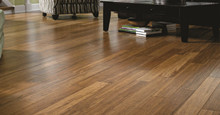
Dark bamboo flooring delivers an unmistakable architectural statement. With deep espresso tones, rich carbonized hues, and smooth factory finishes, it creates a grounded, sophisticated aesthetic inside contemporary homes.
Manufactured from fast-growing Moso bamboo, these planks offer remarkable durability, distinct grain patterns, and impressive structural strength.
Working with bamboo plywood offers a compelling mix of sustainability, striking aesthetics, and impressive structural strength.
When researching sustainable surface options for a major renovation or a commercial build, strand woven bamboo regularly climbs to the top of the specification list.
When choosing a material for these spaces, bamboo decking has emerged as a premium contender. It offers a striking, modern aesthetic, exceptional hardness, and impressive environmental credentials.
A bamboo desktop or tabletop represents a significant shift in how interior spaces are specified. It addresses the practical challenges of daily wear, heavy hardware loads
You look at your once-beautiful living room floor and realize it has seen better days. The surface is scratched from dog claws, dulled by years of foot traffic, and perhaps slightly faded near the windows.
When bringing new materials into a home or commercial space, buyers are often drawn to options that offer both aesthetic warmth and long-lasting resilience.
By managing the way natural light enters your home and interacts with your surfaces, you can maintain the deep, inviting warmth that influenced your initial design choices.
Stepping onto a warm floor on a freezing winter morning is a luxury many homeowners dream about. Radiant underfloor heating offers an incredibly comfortable, efficient, and silent way to warm a space from the ground up.